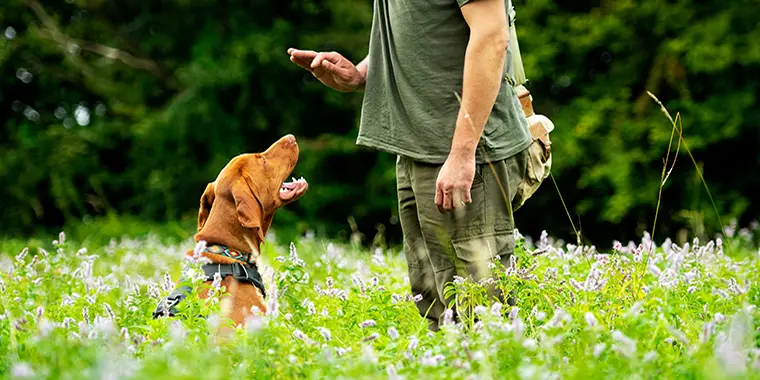
Understanding what a dog behaviorist does can feel confusing at first because people often mix up training with behavior work. Both matter for a well-rounded dog, but they focus on different skills and problems. When you search for something like a dog behaviorist in Denver, you’re usually looking for a professional who can address deeper issues that go beyond simple obedience. A behaviorist studies why dogs act the way they do, then creates strategies that reshape emotional responses, not just surface habits.
A lot of dog owners reach out to a behaviorist when their dog’s reactions start affecting daily life. It might be barking at every noise, snapping during grooming, pulling so hard on a leash that walks become a chore, or shutting down and hiding from guests. These patterns come from feelings like stress, insecurity or confusion, and dogs rarely grow out of them on their own. Behaviorists build plans to help dogs learn safer and calmer choices, and they also help owners understand how their own behavior can support or worsen a problem without meaning to.
The Core Role of a Dog Behaviorist
A dog behaviorist evaluates a dog’s emotional state, instincts and triggers with the goal of finding the root cause of unwanted behavior. They look for things that the average owner might not see, like subtle body language or environmental stressors that throw a dog off. Instead of just saying a dog pulls on a leash because they’re stubborn, a behaviorist checks for anxiety, lack of impulse control, or even negative past experiences around walking equipment.
They spend a lot of time talking with owners too. Many problems come from miscommunication, where a dog is trying to say something through growls, stiff posture or retreating, and the person misses it. When owners learn to read their dog’s signals, behavior starts to shift faster because the dog feels heard and safer.
Assessment and Evaluation
One of the first things a behaviorist does is a comprehensive assessment. This usually includes observing the dog at home or in a neutral space, watching how they respond to people, noises, other pets, or unfamiliar places. They collect information about the dog’s background, age, health, diet, and daily routine.
During the evaluation, the behaviorist often notices patterns that owners didn’t realize mattered. For example, a dog who barks at strangers might also seem extra tense at the window or struggle to settle at night. These little moments help build a clearer picture of the dog’s overall stress level, which shapes a more specific plan.
Creating a Behavior Modification Plan
Once the behaviorist understands what is driving the issue, they create a custom plan designed for that dog and household. A behavior modification plan usually focuses on replacing unwanted reactions with healthier responses.
A typical plan might include:
- Managing the dog’s environment so they don’t get overwhelmed.
- Teaching alternative behaviors like going to a mat, backing up, or checking in with the owner.
- Gradually exposing the dog to triggers in a controlled, safe way.
- Reinforcing calm behavior with rewards that motivate the dog.
The goal is to help the dog feel confident and capable, not just obedient. Many owners find the most surprising part is that the work is less about forcing behavior and more about shaping emotional associations.
Working With Fear and Anxiety
Fear based issues are among the most common reasons people seek a behaviorist. A dog might tremble during storms, react harshly to other dogs, or refuse to leave the yard. Fear can show up in ways that look like aggression too, so it’s easy for owners to mislabel the problem.
A behaviorist teaches the dog that the world is safer than they think by pairing scary triggers with good experiences, reducing sudden exposure, and teaching coping skills. Over time the dog learns to stay within a comfortable emotional zone, and their reactions lose intensity.
Helping Dogs With Aggression Concerns
Aggression is a big and stressful concern for families. It can show up as growling, snapping, biting, guarding food, or lunging at strangers. While it feels personal, it usually comes from fear, pain or resource worry rather than a desire to harm.
Behaviorists never punish aggression because that can suppress warning signs and make the dog more unpredictable. They focus on identifying triggers, improving confidence, and teaching the dog to trust people again. Owners learn to manage situations safely and to prevent escalations while progress builds.
Improving Household Harmony
Some dogs struggle inside the home, even if they behave fine outside. Maybe two resident dogs don’t get along, or a dog barks nonstop when the owner leaves. A behaviorist can help set up routines and boundaries that keep things peaceful.
Common household improvements might include:
- Structured feeding routines
- Safe zones for resting
- Reducing overstimulation
- Teaching calm greetings for guests
- Adjusting play styles so they don’t turn tense
These changes can look small but often make a huge difference in a dog’s daily stress level.
Working With Puppies
Behaviorists don’t only work with troubled older dogs. Many families bring puppies for early help so they can set the right foundation. Early guidance prevents bigger issues from forming as a dog grows.
A behaviorist can support:
- Socialization planning
- Handling exercises for grooming and vet care
- Bite inhibition
- Crate comfort training
- Reducing future fear behaviors
Puppies soak up experiences quickly, sometimes faster than owners can keep up with, so early behavioral support creates smoother teen months.
Collaborating With Trainers and Veterinarians
Dog behaviorists often work closely with trainers, especially when a dog needs both skills training and emotional support. For example, a dog might need leash walking skills but also confidence building around other dogs. Combining the two approaches helps create more consistent results.
They also communicate with veterinarians, particularly when medical problems might influence behavior. Pain, thyroid issues, gut discomfort, and neurological problems can all affect how a dog acts. If needed, a behaviorist might recommend medical testing or even anxiety medication under a vet’s supervision.
Supporting the Owner’s Learning
A major part of behavior work involves teaching the owner. Some people think the behaviorist just trains the dog, but real change happens when the owner learns new habits too. Dogs watch everything from tone of voice to body posture, so the person’s behavior shapes the dog’s more than most folks expect.
Owners practice timing their rewards better, avoiding common mistakes like repeating cues, and recognizing when a dog needs a break. As these skills improve, the dog’s progress speeds up noticeably.
Long Term Progress and Follow Ups
Behavior change doesn’t happen overnight, especially if the issues have been going on for months or years. A behaviorist usually provides follow up sessions to adjust the plan as the dog grows more confident. These check ins help keep the dog on track and support the owner during tough moments.
Most families notice improvements early, but deeper emotional stability grows with consistency. A behaviorist makes sure the steps stay realistic, doable, and suited to the family’s lifestyle.
When Should Someone Call a Behaviorist
It’s time to reach out when a dog’s reactions interfere with daily life or safety. If a dog is showing signs of aggression, intense fear, or behavior that seems to escalate, early help prevents things from getting worse. Even mild issues like excessive barking or difficulty settling can benefit from professional insight before they grow into habits that are harder to change.
A dog behaviorist helps dogs feel more secure, and they help owners feel more capable too. The work brings the whole household closer together, and it can turn stressful moments into opportunities for growth. Whether the dog is fearful, overexcited or showing signs of anxiety, the guidance of a behavior professional makes everything feel more manageable and hopeful.