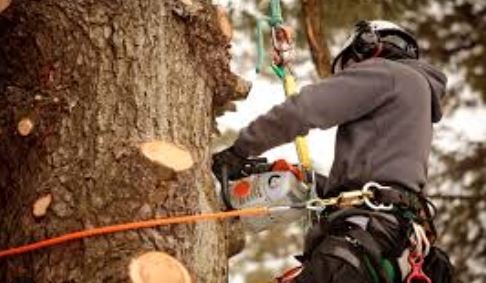
Trees give us beauty, shade and increased property value, but are often ignored until problems arise. Many homeowners appreciate them but never think about what goes into keeping them safe and healthy. Watering and pruning might seem enough, but true tree care requires a deeper understanding of tree health, risks and long-term sustainability. Overlooking timely tree care services in Redmond, WA, can result in costly damage to property, harm to other plants or even safety concerns during storms or high winds. Below are the things that too many property owners miss, details that make a difference not just in aesthetics but in protecting investments and environmental harmony.
1. Soil Health and Root Conditions are Often Overlooked
Homeowners pay attention to the visible parts of a tree, such as branches, leaves or bark, but what’s beneath the surface is just as important. Tree roots spread wide and deep, and need nutrient-rich, well-aerated soil to thrive. Compacted soil from construction, overwatering or excessive foot traffic can strangle roots, resulting in weak trees and stunted growth. Lack of organic matter or poor drainage also disrupts nutrient uptake, stressing even the hardiest of species. Without professional soil testing and proper amendments, homeowners risk declining tree health without even knowing the root cause.
2. Pruning Without Purpose Can Cause More Harm Than Good
It’s a common misconception that pruning is just cutting off extra limbs or shaping the canopy. Improper or excessive pruning can actually weaken the tree structure, leave it vulnerable to pests or open up pathways for disease. Strategic pruning considers the timing, method and purpose, whether it’s removing deadwood, improving airflow or correcting growth patterns. Trees pruned at the wrong season, especially flowering species, may suffer from reduced blooms or stress. Professionals know species-specific needs, ensuring pruning helps rather than harms long-term health.
3. Pest and Disease Detection is Frequently Delayed
Some tree damage is obvious, like visible insects or brown leaves, but many serious issues develop slowly and unnoticed. Diseases like root rot, powdery mildew or bark cankers manifest subtly through minor discoloration, slowed growth or changes in foliage density. Infestations by aphids, borers or spider mites can escalate quickly without prompt intervention. Homeowners without routine inspections may miss early signs and lose trees that could have been saved with timely treatment. Monitoring programs and annual assessments from a qualified arborist can catch problems before they become expensive removals or property damage.
4. Trees Too Close to Structures are Often Overlooked
Over time, trees that were once small and ornamental can grow into hazards when left unchecked near homes, fences or driveways. Their roots may disrupt foundations or underground pipes, while large limbs pose fall risks during storms. The problem is compounded when trees are planted without considering their mature size or growth direction. Neglecting spacing requirements or avoiding structural assessments can result in emergency removals, liability issues or costly repairs. A proactive approach ensures trees and nearby structures coexist safely and harmoniously.
5. Storm Preparation is Rarely on the Radar
One of the most overlooked aspects of tree care is preparing for extreme weather, which is becoming more frequent due to climate change. Many homeowners assume healthy trees will naturally withstand wind or snow, but dense canopies, weak crotches and hidden decay make them vulnerable. Without proper thinning, cabling or deadwood removal, trees are prone to breakage that can damage homes, vehicles or utility lines. Preparing trees for seasonal threats not only improves safety but also reduces cleanup and restoration costs post-storm. Working with a tree-cutting company in Edmonds, WA, can ensure that preventative care is both strategic and effective.
Tree care is more than seasonal trimming or watering during dry months. It’s an ongoing strategic practice that requires observation, planning and professional support. Ignoring the unseen factors like root systems, structural risks and weather preparedness can turn assets into liabilities. Homeowners who invest time in understanding and managing these overlooked details ensure their trees not only survive but thrive. From preserving property value to creating safe, beautiful outdoor spaces, proactive care makes all the difference. Rethink your current approach and uncover the hidden aspects of tree health you may have been missing.
Don’t wait for broken limbs or dying branches to tell you something’s wrong. Schedule a professional tree assessment from Cascade Tree Services at 425-530-9697 and uncover what your trees have been trying to tell you. Your landscape deserves expert care.
FAQs
1. How often should I have my trees professionally inspected?
Annual professional inspection is recommended, but if you notice changes in leaf color, unusual growth or signs of disease, an immediate assessment is in order to prevent further damage.
2. Can I do my own tree pruning?
While light trimming of small branches is safe for homeowners, major pruning should always be done by certified arborists. Improper technique can cause permanent damage or create hazards.