Poaching has long threatened the world’s most iconic wildlife species—from elephants and rhinos to big cats and pangolins. As illegal wildlife trade evolves, so too does the technology used to fight it. Across Africa, Asia, and beyond, a new generation of conservationists is turning to advanced tools like drones, artificial intelligence, GPS tracking, and satellite imagery to combat poaching with unmatched precision and efficiency.
Here’s how these technologies are reshaping the war on poaching—and giving endangered animals a fighting chance.
Drones: Eyes in the Sky
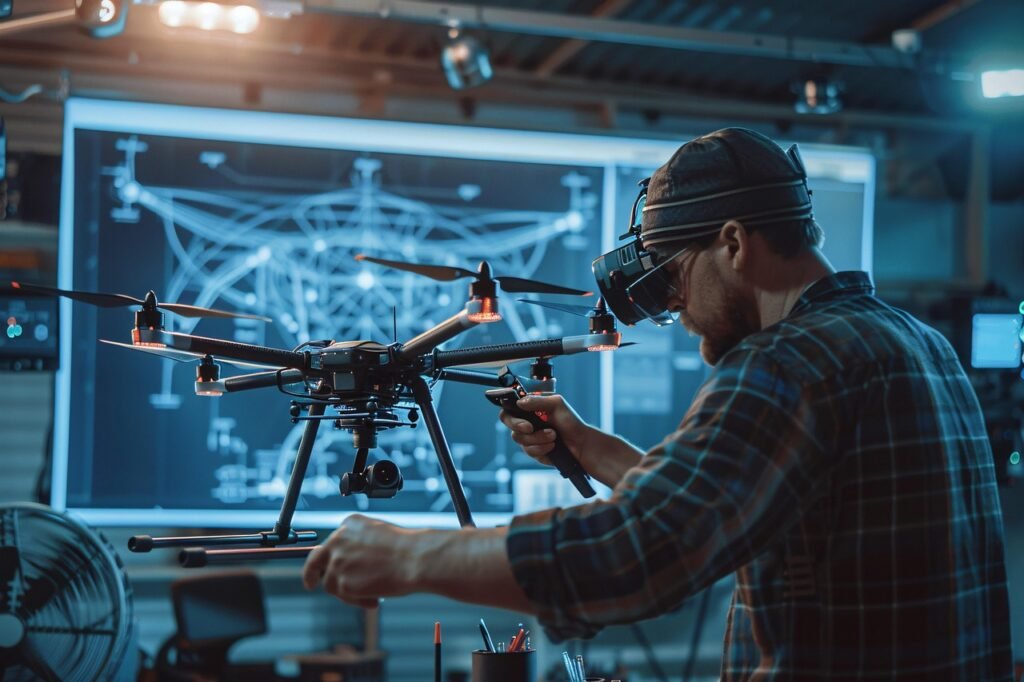
Unmanned aerial vehicles (UAVs), or drones, are playing a pivotal role in detecting and deterring poachers in real time. Lightweight, silent, and capable of covering vast terrain quickly, drones can monitor protected areas day and night using infrared thermal imaging. This allows rangers to spot suspicious movement even in total darkness or dense vegetation.
One notable example is the Air Shepherd program, developed by the Lindbergh Foundation, which uses AI-powered drones to patrol conservation areas in Southern Africa. These drones are guided by predictive analytics that identify poaching hotspots based on historical data. By intercepting poachers before they reach animals, Air Shepherd has dramatically reduced incidents in the regions where it operates.
GPS Tracking: Following the Footprints
GPS tracking collars on wildlife—especially elephants and rhinos—offer real-time location data that helps conservationists keep animals away from danger zones. When paired with geo-fencing technology, park rangers receive alerts if an animal strays too close to high-risk areas or if unusual movement patterns suggest a distress event.
In Kenya’s Lewa Wildlife Conservancy, for example, GPS collars combined with mobile ranger apps enable a swift response to threats. When elephants cross into areas frequented by poachers, alerts are triggered, allowing teams to intercept both animals and poachers.
Furthermore, GPS isn’t limited to wildlife—it’s also being used to track suspected poachers and illegal transport routes. Devices hidden in fake tusks or rhino horns have exposed smuggling networks and led to high-profile arrests.
AI-Powered Monitoring: Smarter Surveillance
Artificial intelligence is transforming conservation by automating the analysis of massive volumes of data—images, video feeds, sensor alerts—that would otherwise overwhelm human teams. AI models trained to recognize people, weapons, vehicles, and animals can flag potential threats in real time.
PAWS (Protection Assistant for Wildlife Security), a project by Harvard and USC, uses machine learning to optimize ranger patrol routes based on predicted poaching activity. By analyzing terrain, past poaching events, and animal movement, PAWS helps rangers act proactively rather than reactively.
Another project, Wildbook, uses computer vision to identify individual animals from camera trap photos and tourist images. This crowd-sourced data allows scientists to monitor population health and detect declines that could signal increased poaching pressure.
Camera Traps and Satellite Imagery: Persistent Watchdogs
Camera traps have become smarter and faster thanks to AI integration. These motion-triggered devices capture images or video when animals or people pass by. When connected to neural networks, camera traps can now instantly classify whether a figure is a human, animal, or vehicle—and send alerts in seconds.
Meanwhile, high-resolution satellite imagery offers a bird’s-eye view of even the most remote habitats. It’s been used to spot illegal logging, encroachment, and poacher camps. Organizations like Global Forest Watch use satellite data to monitor forest cover in real time, highlighting environmental changes that could expose wildlife to greater risk.
Projects like EarthRanger, backed by Vulcan Inc., consolidate data from drones, GPS collars, camera traps, and satellites into a single dashboard, allowing conservationists to track activity across entire ecosystems.
The Future: Tech-Driven Conservation at Scale
These technologies are more than just gadgets—they’re lifelines. Anti-poaching technology now enables conservation teams to act faster, with greater accuracy and foresight. By layering drone surveillance, satellite feeds, AI analytics, and GPS tracking, the modern conservation toolkit is becoming a powerful, integrated defense system against traffickers.
Yet, while these tools are groundbreaking, success also depends on strong collaboration with local communities, government support, and international cooperation to dismantle trafficking networks.
As wildlife crime becomes increasingly sophisticated, so too must our response. Thanks to these technological innovations, the scales may finally be tipping in favor of the planet’s most vulnerable species.
Open save panel