When you live in Colorado, windows do more than let in sunlight, they also protect your home from sudden weather shifts, strong winds, and heavy snow. That makes choosing the right windows one of the most important decisions for any homeowner. If you are comparing options for replacement windows in Denver, it can feel overwhelming at first, but breaking the process into manageable steps helps a lot.
A good window should balance energy efficiency with style, and the right choice makes your home more comfortable while keeping heating and cooling costs down. The challenge is that there are dozens of materials, glass packages, and installation methods. Knowing what matters most can prevent mistakes and wasted money.
Think About Your Home’s Age and Style
Your home’s design should guide the kind of window you pick. A craftsman bungalow might look best with divided-light windows, while a modern build may call for sleek, large panes. Matching the window’s style to the house keeps everything cohesive, and it also adds to resale value.
Older homes sometimes need custom sizes, since the window openings may not match today’s standard dimensions. That is why working with a local installer who understands Denver’s housing stock can save you headaches.
Pay Attention to Frame Materials
Frames set the tone for both appearance and performance. Each material has pros and cons:
- Vinyl: Affordable and low-maintenance, good insulation, but fewer color options.
- Fiberglass: Strong, energy-efficient, and stable in temperature swings, though usually more expensive.
- Wood: Classic look, can be painted or stained, but requires maintenance and may swell in humidity.
- Aluminum: Slim profile and durable, though not as energy-efficient in cold weather.
In Denver, where winters can be harsh, vinyl or fiberglass often make the most sense because they resist warping and insulate better.
Energy Efficiency is Critical
Energy costs rise every year, so a window that reduces heat loss is a smart investment. Look for ENERGY STAR ratings, low-E coatings on glass, and multiple panes filled with argon gas. These features keep heat inside during winter and reflect it outward in summer.
Pay attention to two main numbers:
- U-factor: Measures how well the window prevents heat from escaping. Lower is better.
- Solar Heat Gain Coefficient (SHGC): Tells you how much solar radiation passes through. In Denver, where winters are long, you may want a slightly higher SHGC to capture passive heat.
Consider Installation Quality
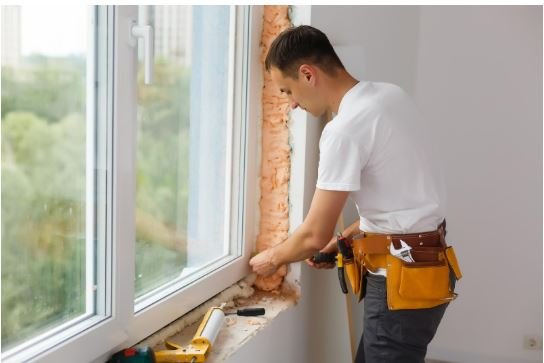
Even the best window performs poorly if installed wrong. Drafts and leaks often come from rushed work, not faulty glass. That’s why choosing a reputable installer is just as important as picking the product itself.
Look for installers who:
- Remove old windows fully instead of covering them with inserts.
- Use insulation and sealing methods appropriate for the climate.
- Offer clear warranties on both the window and labor.
Asking for references and reading local reviews gives you confidence that the company stands behind their work.
Budget and Long-Term Value
Windows are not cheap, but the cheapest option often ends up costing more in repairs, drafts, and high energy bills. Instead of looking only at upfront price, consider the lifespan of the product.
Vinyl may last 20 to 30 years with little care, while wood needs more maintenance but may fit the style of historic homes. Fiberglass often offers the longest life, sometimes over 50 years, with minimal upkeep. A slightly higher investment now might save you thousands later.
Noise Reduction
Denver neighborhoods can be busy, especially near downtown or major roads. Windows that block outside noise make your home more peaceful. Double- or triple-pane glass works better than single-pane. Laminated glass also helps cut down sound while adding security.
If you live near traffic or have neighbors close by, choosing windows with good soundproofing features is worth the extra expense.
Security Features
Modern windows can be surprisingly advanced in security. Multi-point locks, laminated glass, and reinforced frames help protect against break-ins. Some designs even allow ventilation without fully unlocking the sash, giving fresh air while still keeping your home safe.
For families, these small details provide extra peace of mind.
Maintenance Needs
Think about how much time you want to spend caring for your windows. Tilt-in sashes make cleaning easier, especially for second floors. Vinyl requires little more than wiping down, while wood demands regular painting or sealing.
For busy homeowners, low-maintenance frames often make more sense, even if they cost a little more.
Climate Challenges in Denver
The Front Range has unique weather patterns. High altitude sunlight is intense, which can fade fabrics and floors. Low-E glass with UV protection helps shield interiors from damage.
Temperature swings from day to night put stress on materials, so choosing frames that resist expansion and contraction is important. Fiberglass and vinyl handle these changes better than wood or aluminum.
Warranties and Service
A good warranty shows confidence from the manufacturer. Check if coverage includes glass breakage, seal failure, and frame issues. Some warranties even transfer to the next homeowner, which adds value if you ever sell.
Also ask about service response. A local company with a Denver office is more likely to respond quickly than a distant national chain.
A Step-by-Step Way to Decide
If you want a clear process, try narrowing choices with this order:
- Set your budget range.
- Choose the frame material that fits both style and climate needs.
- Check energy ratings for efficiency.
- Look at style options that match your home.
- Compare installer reviews before committing.
This way you avoid being distracted by flashy marketing and stay focused on what truly matters.
Questions to Ask Installers
When interviewing companies, come prepared with questions. Some examples include:
- How long have you worked in the Denver area?
- What insulation methods do you use during installation?
- Is the warranty full coverage or prorated?
- Do you remove all old materials and dispose of them?
- Can you provide local references I can call?
The answers reveal whether the installer is trustworthy and experienced.
Balancing Beauty and Performance
The best window is one you don’t notice day to day. It should look natural with the home, keep the indoor climate stable, and operate smoothly every time you open or close it.
Spending time upfront to weigh your options leads to years of comfort. You don’t want to feel drafts every winter or fight a stuck sash every summer. The right windows add beauty, save money, and make living in Denver’s climate easier.
Final Thoughts
Choosing windows might feel complicated at first, but breaking it into steps brings clarity. Start with your home’s style, then focus on materials and energy efficiency. From there, find an installer who values quality and backs it up with solid warranties.
With the right approach, you’ll end up with windows that not only look great but also perform for decades, keeping your Denver home warm in winter, cool in summer, and comfortable year-round.