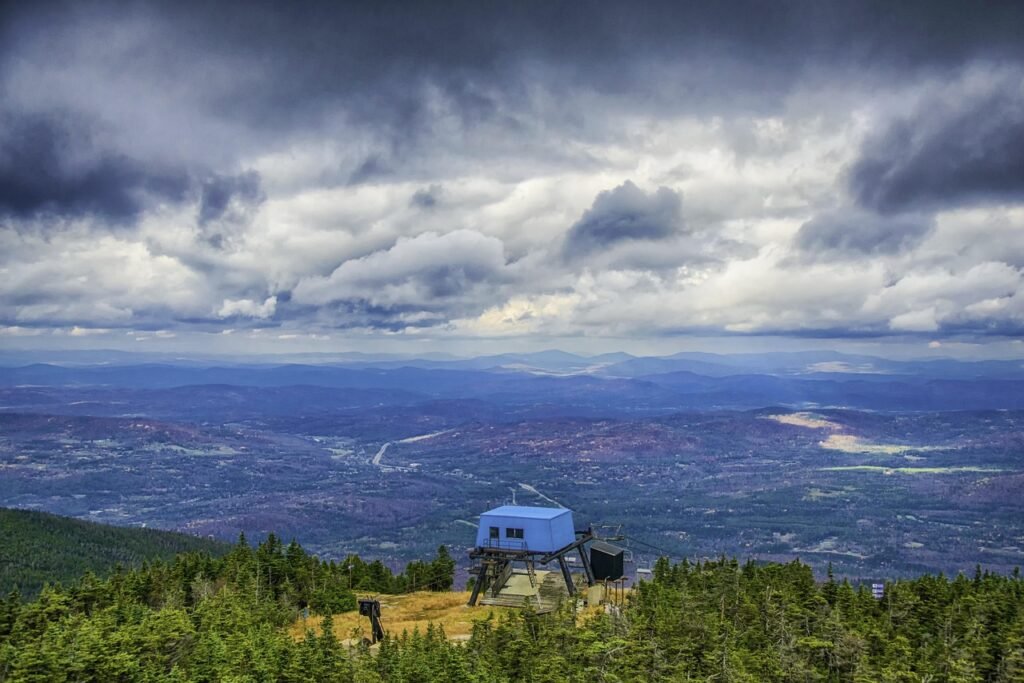
Introduction: Outdoor Living Takes Center Stage in 2025
In 2025, outdoor living is no longer a luxury—it’s a lifestyle necessity. With climate-conscious construction, wellness-centered design, and multi-functional green spaces on the rise, landscape architects New Hampshire are leading a transformative movement. Both residential and commercial clients are investing in custom-designed landscapes that enhance aesthetics, functionality, and environmental sustainability.
This article explores the latest innovations, key services, and regulatory challenges—like shoreline permitting in NH—that are shaping the future of landscape architecture across the state.

The Expanding Role of Landscape Architects in New Hampshire
Holistic Design Beyond Aesthetics
Today’s landscape architects focus not only on beauty but also on ecological integrity, usability, and smart land planning. Modern designs incorporate:
- Native plantings to promote biodiversity
- Stormwater management systems to reduce runoff
- Outdoor kitchens, firepits, and seating areas to extend usability
- Smart irrigation systems integrated with weather data
Professionals specializing in residential landscape architecture NH often blend these elements into functional sanctuaries for families seeking eco-conscious outdoor spaces.
Commercial Spaces Embrace Sustainability
From corporate campuses to hospitality venues, businesses are partnering with landscape architects New Hampshire to create green spaces that elevate brand identity while meeting LEED and sustainable site certifications.
For example, incorporating bioswales, permeable pavers, and pollinator gardens not only enhances curb appeal but also supports ESG (Environmental, Social, Governance) compliance.
Residential Landscape Architecture NH: Trends to Watch in 2025
Multi-Season Outdoor Living Areas
Homeowners are increasingly investing in year-round outdoor spaces, featuring:
- Covered patios and pergolas with heating elements
- Weather-resistant furniture and hardscapes
- Integrated lighting and sound systems
These installations are designed for maximum enjoyment across New Hampshire’s varied climate.
Edible and Medicinal Gardens
In 2025, edible landscaping continues to surge in popularity. Raised beds, herb spirals, and fruiting shrubs now double as both functional and decorative elements in home gardens.
Land Planning and Shoreline Permitting NH: A Complex Landscape
Balancing Development with Environmental Responsibility
Projects near lakes, rivers, or wetlands must adhere to strict regulations enforced by the New Hampshire Department of Environmental Services (NHDES). Experienced firms offer comprehensive services for:
- Shoreline permitting NH
- Wetland delineation and mitigation
- Stormwater compliance
- Buffer zone preservation
Navigating Regulatory Complexity
Shoreline projects require coordination with local conservation commissions and planning boards. Proper documentation, ecological assessments, and public notices are essential for approval. A single misstep can delay a project for months.
Technological Advancements in Landscape Architecture
3D Modeling and Virtual Reality
Leading professionals now offer immersive experiences through VR simulations, allowing clients to walk through their future outdoor space before breaking ground.
Drones and GIS Mapping
Site assessments are becoming faster and more precise using drone photography and Geographic Information Systems (GIS), especially on large-scale or uneven terrains.
Smart Integration
IoT-connected irrigation systems, lighting setups, and real-time moisture sensors enhance efficiency and minimize resource waste—making them staples in residential landscape architecture NH.
Sustainable Design Meets Native Ecology
Native Plants and Pollinator-Friendly Landscapes
Local species like black-eyed Susan, wild columbine, and New England aster are being used more frequently to reduce irrigation needs, boost local wildlife, and eliminate invasive species.
Cost Considerations and Return on Investment
Upfront Costs vs. Long-Term Value
While the initial investment in high-quality landscape architecture may seem substantial, homeowners and businesses alike enjoy increased:
- Property value
- Energy efficiency (via shade structures and windbreaks)
- Usability of underutilized land
Choosing the Right Landscape Architect in New Hampshire
Credentials and Experience
Seek professionals who are certified by the Council of Landscape Architectural Registration Boards (CLARB) and have a strong portfolio of local projects, especially those involving shoreline permitting NH and native restoration.
Design Process Transparency
Reputable firms provide detailed timelines, budgets, and revisions during the design and implementation stages.
Client-Centered Collaboration
Although each project varies, successful landscape architects tailor solutions based on the site’s microclimate, soil quality, sun exposure, and client vision.

Conclusion: A New Era of Outdoor Living in New Hampshire
From private residences to public and commercial projects, landscape architects in New Hampshire are pioneering a new vision of outdoor living. By embracing sustainable practices, integrating smart technologies, and navigating complex regulatory requirements like shoreline permitting NH, these professionals are reshaping how outdoor spaces are designed, built, and enjoyed.
The impact of residential landscape architecture NH goes far beyond aesthetics—it defines lifestyle, environmental stewardship, and property value for decades to come.