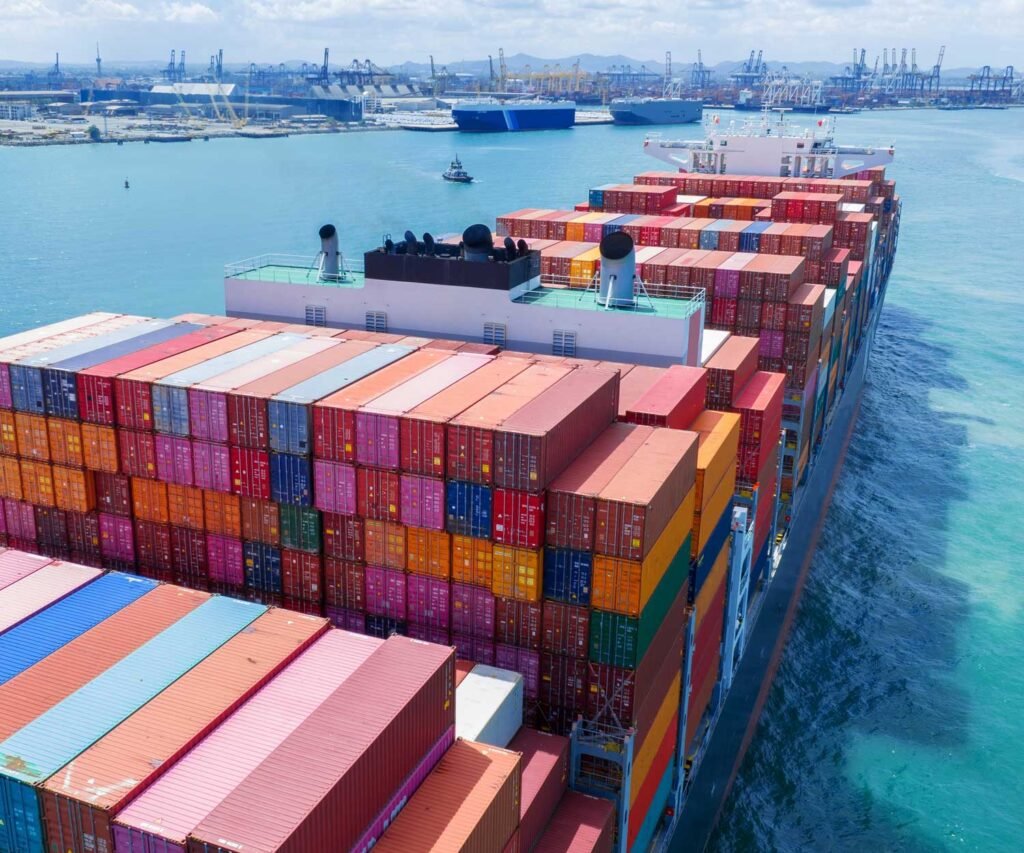
Melbourne is Australia’s second-largest city. It is also a key trade hub for the nation. The Port of Melbourne handles about 37% of Australia’s container trade. Businesses need reliable logistics partners to handle international and domestic freight challenges. Understanding freight forwarding in Melbourne is key to your supply chain’s success. It can lead to smooth operations or costly delays that hurt profits.
The Strategic Importance of Melbourne’s Logistics Network
Melbourne’s location and infrastructure make it a key part of Australia’s supply chain. The city’s freight network includes the port facilities, rail connections, and road networks. It is also close to Melbourne Airport, which manages a lot of air cargo. This multi-modal transport option helps businesses choose the best shipping methods. They can pick what is most cost-effective and time-efficient for their cargo needs.
The Port of Melbourne runs 24/7. It handles container cargo, bulk goods, vehicles, and project items. Skilled Melbourne shipping and freight forwarding specialists help businesses import and export goods smoothly. This avoids delays and cuts down on paperwork issues.
Core Services Provided by Freight Forwarders
Freight forwarding goes beyond moving boxes from A to B. In Melbourne, expert forwarders offer full services for the whole logistics chain.
These services usually cover:
- Customs brokerage
- Warehousing and distribution
- Cargo insurance
- Documentation management
- Help with regulatory compliance
Customs clearance is one of the more difficult processes of international commerce. Australia has intense biosecurity and import regulations. Paperwork errors as simple as a misplaced document can cause cargo to linger at the border for days or weeks. Seasoned freight forwarders stay current with tariff codes, duty computation, and regulation for various categories of products. They work closely with the Australian Border Force and the Department of Agriculture, Fisheries and Forestry. This accelerates clearing processes.
Melbourne forwarders provide warehousing services that are flexible for businesses. They consist of short-term storage, consolidation facilities, and distribution services. New warehouses offer climate control, security, and inventory technology. They also provide additional services such as product labeling, quality inspection, and order filling.
Selecting the Right Freight Forwarding Partner
Choosing a freight forwarder requires careful evaluation of several critical factors. Industry specialization matters greatly because different cargo types must specific expertise. Companies shipping perishable goods need forwarders who know temperature-controlled logistics. They also need help with quick customs clearance. Businesses that import machinery or industrial equipment need partners who know how to handle oversized cargo and manage special documents.
Financial stability and insurance coverage should be central in the selection criteria. Freight forwarders manage valuable cargo and handle important financial transactions for their clients. Check that potential partners have enough cargo insurance and professional indemnity coverage. Also, ensure they demonstrate financial stability with solid banking relationships and trade references.
Technology capabilities create a clear distinction between superior freight forwarders and average operators. Modern logistics management systems offer real-time tracking, automated documents, and shipment visibility. They also provide data analytics to help businesses improve their supply chains. Forwarders with online portals allow clients to track shipments, view documents, and chat with logistics coordinators. This provides better transparency and control.
Understanding Freight Forwarding Costs and Pricing Structures
Freight forwarding costs in Melbourne can differ a lot. They depend on several factors:
- Shipment volume
- Cargo weight and size
- Origin and destination
- Service speed
- Extra services needed
These variables all play a role in determining the final price.
Most forwarders set prices based on several key parts:
- Transportation costs
- Handling fees
- Customs clearance charges
- Documentation fees
- Accessorial charges for special services
Transportation costs usually make up the biggest part. Fuel prices, carrier capacity, seasonal demand, and popular routes can all cause changes. LCL shipments usually cost more per unit than FCL shipments. However, FCL needs enough volume to make the cost worthwhile. Forwarders with good carrier relationships often get better rates. They can pass these savings on to their clients.
Hidden costs often catch businesses unprepared. Demurrage and detention charges occur when containers remain at the port or with carriers beyond the allowed free time. Storage fees accumulate when cargo requires warehousing before final delivery. Businesses should ask for detailed quotes. These should list all possible charges and explain when extra fees could arise.
Navigating Customs and Regulatory Compliance
Australia’s regulatory environment demands meticulous attention to detail. The Australian Border Force requires all import and export documents to be accurate and complete.
Essential documents usually include:
- Commercial invoices
- Packing lists
- Bills of lading or airway bills
- Certificates of origin
- Product-specific permits or licenses (when needed)
Biosecurity rules complicate things, especially for imports like timber, plants, and food products. The Department of Agriculture, Fisheries and Forestry has strict rules. These rules protect Australia’s unique ecosystem from foreign pests and diseases. Freight forwarders who know these requirements can help with treatments, certifications, and paperwork. This ensures compliance and prevents costly delays or cargo destruction.
Duty and tax calculations must expertise in tariff classification systems. Australia uses the Harmonized System (HS) to classify goods. Duty rates depend on the product’s classification and its country of origin. Free trade agreements can cut or remove duties on eligible goods. Yet, to enjoy these benefits, you need the right documents and must follow the rules of origin.
The Future of Freight Forwarding in Melbourne
Digital evolution continues to transform the logistics sector. Blockchain technology holds the promise of higher transparency and security in the process of documentation. AI and machine learning enhance route planning, foresee delays, and mechanize admin work. IoT devices enable us to visualize cargo conditions and locations within the supply chain with clarity.
Sustainability issues increasingly influence logistics choices. Melbourne companies feel increasingly compelled to reduce their environmental footprint. Consumers, investors, and regulators alike are driving change. Clever freight forwarders pay attention to carbon offset schemes. They select carriers with efficient ships and motor vehicles. They also enhance consolidation practices in order to reduce empty miles and emissions.
Modern supply chains need strong partnerships with logistics experts. These professionals bring industry knowledge, tech skills, and great customer service. For businesses in Melbourne’s busy market, choosing the right freight forwarder is key. This choice affects efficiency, costs, and customer satisfaction. Whether you’re a seasoned importer or a new exporter, freight forwarding services are essential. They offer reliable and cost-effective cargo management for all your shipments.