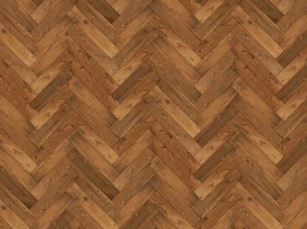
Herringbone wood floor designs are more than just a passing trend—they are a timeless statement of craftsmanship and elegance that can instantly elevate the look and feel of any home. Characterized by its distinctive zigzag pattern, a herringbone wood floor offers both classic charm and modern sophistication, making it a popular choice for homeowners and designers alike. Whether you’re remodeling a single room or installing flooring throughout your entire home, the herringbone pattern delivers a level of detail and movement that traditional plank floors simply can’t match.
Why Choose a Herringbone Wood Floor?
The unique visual appeal of a herringbone wood floor lies in the way it plays with geometry and space. Unlike linear planks, herringbone flooring is laid in a staggered V-shaped pattern that naturally draws the eye along the floor, creating a sense of depth and direction. This can make small rooms appear larger and grand rooms feel even more expansive. The design also lends itself well to a variety of interior styles—from vintage European to clean, modern aesthetics.
But beyond its beauty, herringbone flooring also carries the weight of history. This pattern has been used for centuries, dating back to Roman roadways and later seen in the grand halls of French châteaus and European estates. Today, homeowners install herringbone hardwood flooring as a nod to this legacy, blending old-world charm with the durability and versatility of modern materials.
Solid vs. Engineered Herringbone Flooring
When planning for a herringbone wood floor, one of the first decisions you’ll face is choosing between solid wood and engineered wood.
Solid wood herringbone flooring is made from a single piece of hardwood and is prized for its longevity. It can be sanded and refinished multiple times, which is ideal for those who want their floors to last for decades. However, solid wood can be sensitive to changes in moisture and temperature, making it less suitable for below-grade spaces or areas with radiant heat.
On the other hand, engineered herringbone flooring is composed of a hardwood veneer over a stable plywood or composite core. This makes it more resistant to warping and better suited for diverse installation environments, including basements and over concrete subfloors. Engineered herringbone floors are especially popular in modern homes, where stability, ease of installation, and a variety of finish options are top priorities.
Design Considerations and Style Options
The beauty of a herringbone wood floor lies not just in its pattern but in the endless customization it allows. Whether you prefer the rich warmth of American walnut or the subtle grain of European white oak, the wood species you choose can dramatically alter the room’s ambiance. Lighter tones tend to open up a space, while darker woods add depth and intimacy.
Finish also plays a crucial role. A matte or oiled finish emphasizes the wood’s natural texture and grain, offering a rustic or Scandinavian vibe. Glossy finishes, meanwhile, reflect more light and lend a more polished, formal look—ideal for dining rooms or entryways where a bit of grandeur is welcome.
Board dimensions are another key factor. Narrow, short boards create a tight, intricate pattern that feels traditional and detailed, while wider boards offer a more contemporary interpretation with a bold, graphic impact. Some homeowners even incorporate borders or combine materials to create custom inlays that frame the herringbone design like a piece of art.
Installing Herringbone Floors: What to Expect
Installing herringbone floors is a meticulous process that requires precision, planning, and a skilled hand. Unlike straight planks, which are laid in long, continuous rows, herringbone boards must be carefully aligned to maintain the integrity of the pattern. Every piece needs to be cut at exact angles, and even the slightest deviation can throw off the entire design.
The process typically starts with marking out the center point of the room and establishing chalk lines as guides. Installers begin at the center and work outward to ensure symmetry and alignment. This approach ensures that the pattern looks balanced in all directions, which is especially important in large or open-plan spaces.
Because of the complexity involved, labor costs for installing herringbone wood flooring are generally higher than for traditional plank flooring. You should also account for additional material waste due to the frequent cuts required—expect to order about 10 to 15% more material than the actual square footage of your space.
Maintenance and Longevity
Once installed, a herringbone wood floor is relatively easy to maintain, especially if it’s been sealed with a high-quality finish. Regular sweeping and occasional damp mopping are usually enough to keep the floor looking its best. Avoid harsh cleaners and excessive water, as these can damage the wood or wear down the finish over time.
The longevity of your herringbone floor depends on the type of wood and finish used, as well as how well it’s maintained. Solid hardwood floors can last over a century with proper care, while engineered herringbone flooring offers decades of durability with minimal upkeep. If scratches or dullness occur, most floors can be refinished or recoated to restore their original beauty.
The Cost of Craftsmanship
The elegance of a herringbone wood floor does come at a premium. On average, the cost of materials ranges from $8 to $14 per square foot, depending on the wood species and finish. Installation adds another $6 to $10 per square foot, though this can vary depending on region and installer expertise.
While the upfront investment may be higher, many homeowners view herringbone flooring as a long-term value-add. It increases a home’s visual appeal, creates a sense of luxury, and can even boost resale value. For many, the added cost is a worthwhile trade-off for the lasting beauty and distinctiveness it brings to a space.
Making the Right Choice
A herringbone wood floor is more than just a design decision—it’s a statement of style, craftsmanship, and attention to detail. Whether you’re installing it in a grand entryway, a cozy living room, or an upscale kitchen, it’s a feature that commands attention without being overbearing. It speaks to tradition while fitting seamlessly into the modern home.
By carefully selecting your materials, working with experienced installers, and tailoring the pattern to suit your space, you can create a floor that not only stands the test of time but becomes one of the defining features of your home. If you’re looking to make an impression—one that’s subtle, sophisticated, and enduring—then a herringbone wood floor is the perfect place to start.