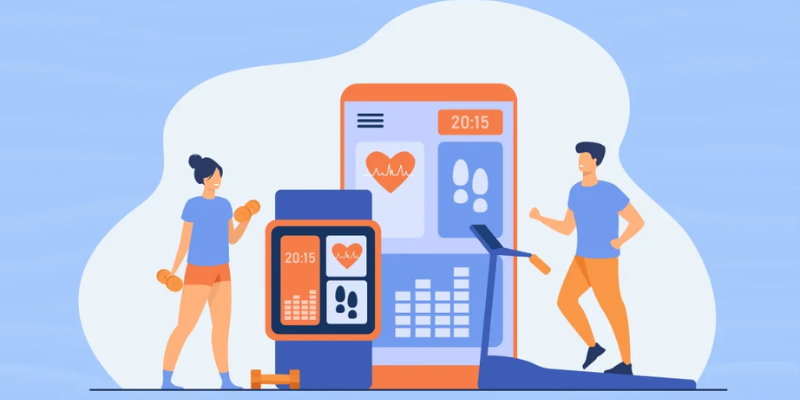
In the fast-paced world of digital wellness, staying committed to fitness routines can be challenging.
While traditional workout plans and generic fitness apps provide a roadmap, they often fail to adapt to an individual’s unique needs, preferences, and lifestyle.
Personalized fitness apps, however, are changing the game, offering highly tailored experiences that keep users motivated, engaged, and coming back for more.
By leveraging data, AI, and interactive design, these apps create a fitness journey that feels personal, supportive, and effective.
Understanding the Power of Personalization in Fitness
Personalization in fitness apps means more than just letting users choose a workout plan.
It involves analyzing user data, such as age, weight, activity levels, goals, dietary habits, and even behavioral patterns, to craft dynamic, customized programs.
Unlike one-size-fits-all solutions, personalized apps adjust routines based on progress, performance, and feedback, ensuring that users remain challenged but not overwhelmed.
Studies have shown that apps with adaptive features can increase engagement by up to 50% compared to standard fitness apps.
This is because users feel understood and supported, which boosts adherence to their fitness goals. Moreover, personalized features like push notifications, progress tracking, and habit reminders keep the experience interactive and continuously motivating.
The Role of Technology in Personalized Fitness Apps
Creating a truly personalized fitness experience requires the integration of advanced technologies. Artificial Intelligence (AI) plays a pivotal role in analyzing user behavior, predicting preferences, and suggesting workouts or meal plans tailored to individual goals. Wearable integrations and IoT devices further enhance personalization by providing real-time data on heart rate, sleep patterns, calories burned, and more.
Additionally, gamification elements such as achievement badges, leaderboards, and virtual challenges contribute to long-term engagement. By blending technology with human-centric design, fitness apps can transform exercise from a chore into an engaging, rewarding activity.
Key Features That Drive Engagement
Personalized fitness apps come equipped with a variety of features designed to retain users. Some of the most effective include:
- Dynamic Workout Plans – These adapt in real-time based on the user’s progress, intensity preferences, and available equipment.
- Nutrition Tracking – Custom meal plans based on dietary restrictions, caloric needs, and lifestyle goals.
- Behavioral Insights – AI-driven analytics track patterns and suggest adjustments to maintain motivation.
- Community Interaction – Social features allow users to join groups, share progress, and engage in challenges, adding accountability and fun.
- Goal-Oriented Reminders – Smart notifications keep users on track without feeling intrusive.
By incorporating these features, a fitness app doesn’t just serve as a tool—it becomes a personal coach and companion, making the user feel valued and understood.
Why Choosing the Right Partner Matters Most?
Developing a personalized fitness app that truly engages users requires expertise in both technology and user experience design.
A professional fitness app development company can bridge this gap, offering services that cover the full app lifecycle—from ideation and design to deployment and post-launch support.
These companies bring specialized knowledge in AI integration, wearable connectivity, and mobile-first UX design, ensuring the app is both functional and highly engaging.
Working with experts also ensures scalability and security, which are critical for handling sensitive health data.
Additionally, professional developers can help identify monetization strategies, such as subscription tiers, in-app purchases, and personalized coaching services, which increase the app’s revenue potential while keeping the user experience seamless.
Understanding the Cost to Create a Fitness App
One of the most common questions for businesses entering the digital fitness space is the cost to create a fitness app.
The answer depends on various factors, including app complexity, features, platform choice (iOS, Android, or both), and integration requirements.
For instance:
- A basic app with standard workouts, tracking, and notifications may cost between $15,000 to $30,000.
- Mid-tier apps with AI-based personalization, nutrition tracking, and wearable integration can range from $40,000 to $80,000.
- Advanced apps with real-time coaching, AR/VR features, social interaction, and gamification may exceed $100,000.
These numbers highlight the importance of careful planning and choosing the right development partner. Investing in quality development upfront ensures the app not only meets user expectations but also scales effectively as the user base grows.
Behavioral Psychology Behind Engagement
Personalized fitness apps don’t just rely on technology– they leverage principles of behavioral psychology.
Features like micro-goals, positive reinforcement, and progress visualization tap into intrinsic motivation, making users feel accomplished and encouraged.
AI-driven recommendations act like a personal trainer, guiding users while adapting to their emotional and physical state.
For example, if a user consistently skips cardio workouts, the app might suggest shorter sessions, provide motivational prompts, or recommend alternative exercises. This flexibility reduces frustration and increases the likelihood of continued use.
Retention Through Gamification and Social Connectivity
Another factor in high engagement is social interaction. Many personalized fitness apps allow users to participate in community challenges, share achievements, and compete with friends. Gamification elements—like streak counters, points systems, and virtual rewards—add a playful aspect that keeps users invested.
Community-driven engagement fosters accountability, encouraging users to maintain routines while feeling part of a larger network. This sense of belonging significantly improves retention rates, as users are less likely to abandon an app that feels social and supportive.
Data-Driven Insights for Continuous Improvement
Personalized fitness apps generate a wealth of data, which can be harnessed to improve both the app and user experience. Developers can track which features are most used, identify drop-off points, and analyze engagement trends. These insights allow for continuous improvement through app updates, new feature rollouts, and enhanced personalization algorithms.
From an investor’s or business owner’s perspective, this data is invaluable. It provides a clear picture of user behavior, highlights areas for monetization, and informs future product development strategies.
The Future of Personalized Fitness Apps
The evolution of AI, wearable tech, and machine learning suggests that personalized fitness apps will only become smarter and more intuitive. Future developments may include:
- Predictive workout planning based on long-term performance trends.
- Virtual reality (VR) fitness experiences for immersive workouts.
- AI-powered personal nutritionists offering real-time dietary advice.
- Integration with mental wellness apps for a holistic health approach.
These advancements will deepen engagement, making fitness apps indispensable tools in the health and wellness ecosystem. Businesses investing in these solutions now stand to gain both financially and reputationally.
Conclusion
Personalized fitness apps are redefining how users interact with digital health solutions. By offering tailored experiences, integrating AI and wearable technology, and leveraging behavioral psychology, these apps keep users motivated, engaged, and committed to their goals.
Partnering with professionals ensures that the app is designed for scalability, security, and user satisfaction, while understanding development costs allows businesses to plan effectively and maximize ROI.
As the digital fitness landscape continues to evolve, personalized apps represent the future of user engagement—turning exercise from a routine into an experience, and helping millions achieve healthier, more active lifestyles.