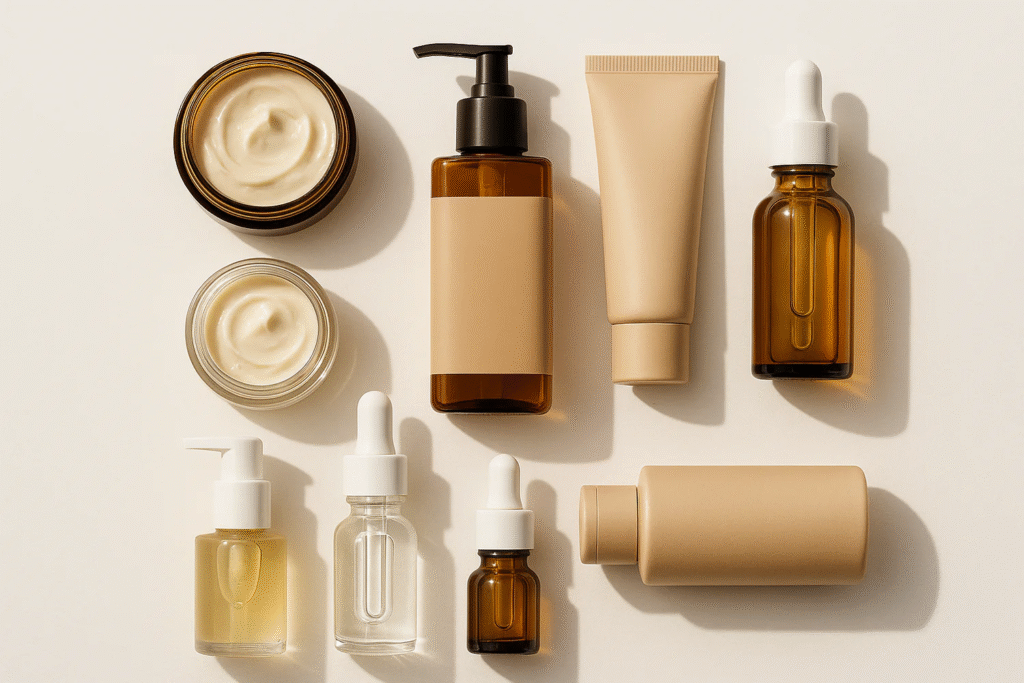
Over the past few years, natural and organic products have transitioned from niche concepts to mainstream acceptance, particularly in the body care sector. Consumer focus has expanded beyond efficacy alone to encompass ingredient sourcing and production methods. An increasing number of brands—especially startups and exporters—are seeking body care manufacturers offering natural and organic solutions, as such products often command higher premiums and stronger market recognition.
It’s important to note that this demand did not emerge overnight. It is closely tied to shifts in consumer habits, regulatory drivers, and the rise of private label brands within the industry.
Why the Market is Shifting Toward Natural and Organic
As consumers began scrutinizing ingredient lists, their habitual choices underwent a transformation. Many now actively avoid chemical preservatives and synthetic fragrances, preferring products labeled with “plant extracts” and “sustainable ingredients.” For body care manufacturers, this means product development must extend beyond efficacy alone to include ingredient transparency.
Meanwhile, regulations continue to tighten. Restrictions on synthetic substances in European and American markets force brands to consider natural alternatives, making it difficult to enter local channels without them. In this environment, manufacturers with organic certifications (such as ECOCERT or USDA) are clearly favored by exporters and wholesalers.
Simultaneously, the rise of private labels is accelerating this trend. Retailers have discovered that private-label body care products positioned as natural and organic can quickly differentiate themselves from major brands while often commanding higher profit margins.
Manufacturers’ Adjustments and Attempts
Many body care manufacturers have begun transforming their operations by incorporating more plant-based ingredients into their formulations, such as coconut oil, shea butter, oats, aloe vera, and even regionally distinctive herbal extracts. These ingredients not only align with a “natural” positioning but also enrich the brand narrative.
Simultaneously, certification systems are gaining increasing prominence. For manufacturers, obtaining organic certification is not only a threshold requirement but also a means to demonstrate their capabilities. Exporters often consider certification status as a key criterion when selecting partners.
In practice, many brands find large-scale orders impractical, especially for startups. Consequently, demand for small-batch body care OEM services has surged. Manufacturers now accept lower minimum order quantities, allowing entrepreneurs to test market response with small batches before scaling up production. This collaborative model has become increasingly common over the past two years.
Notably, companies with dual expertise—operating as both body care and skincare manufacturers—often hold advantages in R&D and formulation innovation. They can apply facial care technologies to body products, developing lines suitable for sensitive skin or offering enhanced functionality.
Opportunities for Emerging Brands
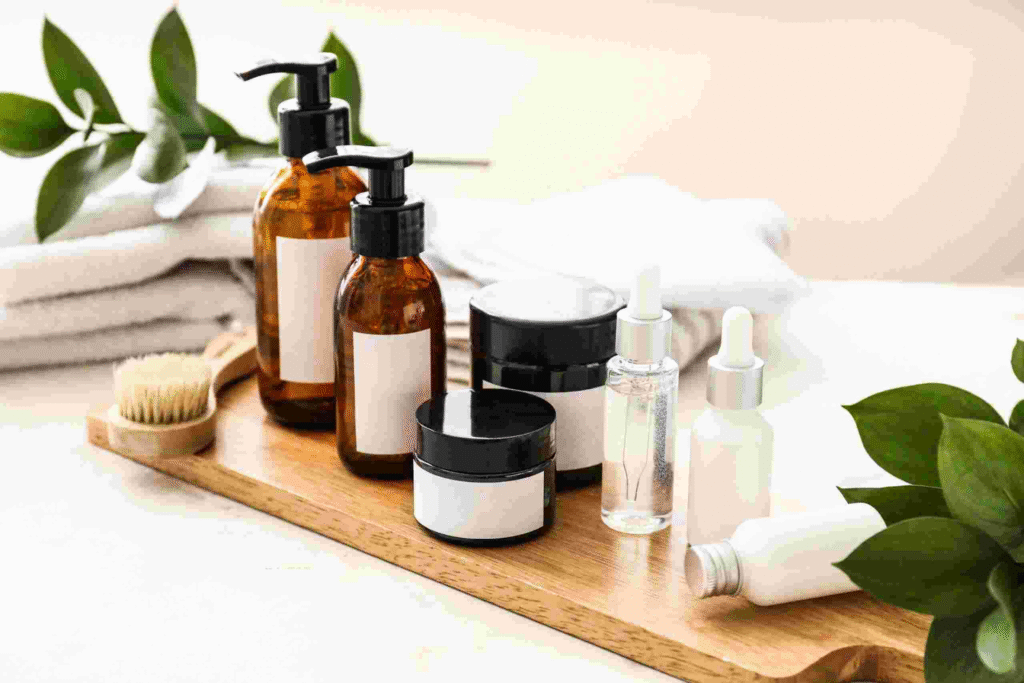
For emerging brands, the trend toward natural and organic products presents both opportunities and challenges. The opportunity lies in the inherent “premium” appeal of this positioning, which enables brands to establish differentiation more quickly. Yet the challenge is equally evident: market competition is intensifying, and the “organic” label alone is no longer sufficient to win over consumers.
This is why many brands start with product line strategy when partnering with manufacturers. A common approach is launching a flagship product that embodies the brand’s ethos—such as organic coconut oil body lotion—before gradually expanding into shower gels, scrubs, and essential oils. This method not only controls costs but also builds a cohesive brand image in the market.
Packaging is another critical consideration. Consumers purchasing natural and organic products often expect eco-conscious packaging. Consequently, manufacturers offering recyclable bottles and biodegradable outer packaging are highly favored by entrepreneurs.
Exporters and Wholesalers Perspective
From exporters’ viewpoints, natural and organic products align perfectly with the demand upgrade in overseas markets. Many distributors explicitly require specific certifications for product listing. Partnering with experienced body care manufacturers not only reduces compliance risks but also ensures supply chain stability.
Wholesalers prioritize profit margins and market differentiation. Rather than representing established brands, many prefer collaborating with manufacturers to develop private-label body care products. This approach grants pricing control and enables flexible positioning within niche markets.
Potential Future Trends
In the coming years, the natural and organic concept may converge with other trends. For instance, ingredient traceability will gain prominence, as consumers seek to know the origin of coconut oil or how oats are cultivated. Simultaneously, the integration of functionality and personalization holds promise, with organic products potentially developing more targeted lines for specific demographics (e.g., pregnant women, sensitive skin).
Many brands are also experimenting with direct-to-consumer models. Social media and e-commerce platforms provide a natural stage for niche brands, and the ethos of natural and organic products aligns perfectly with this distribution approach. It’s foreseeable that more small brands will leverage manufacturer support to rapidly launch personalized products at low cost.
Summary
Overall, natural and organic products have evolved beyond mere labels to become a market consensus. For manufacturers, this represents both pressure to transform and an opportunity for growth. For brands and exporters, the ability to secure the right partners will directly determine how far they can advance in this competitive landscape.