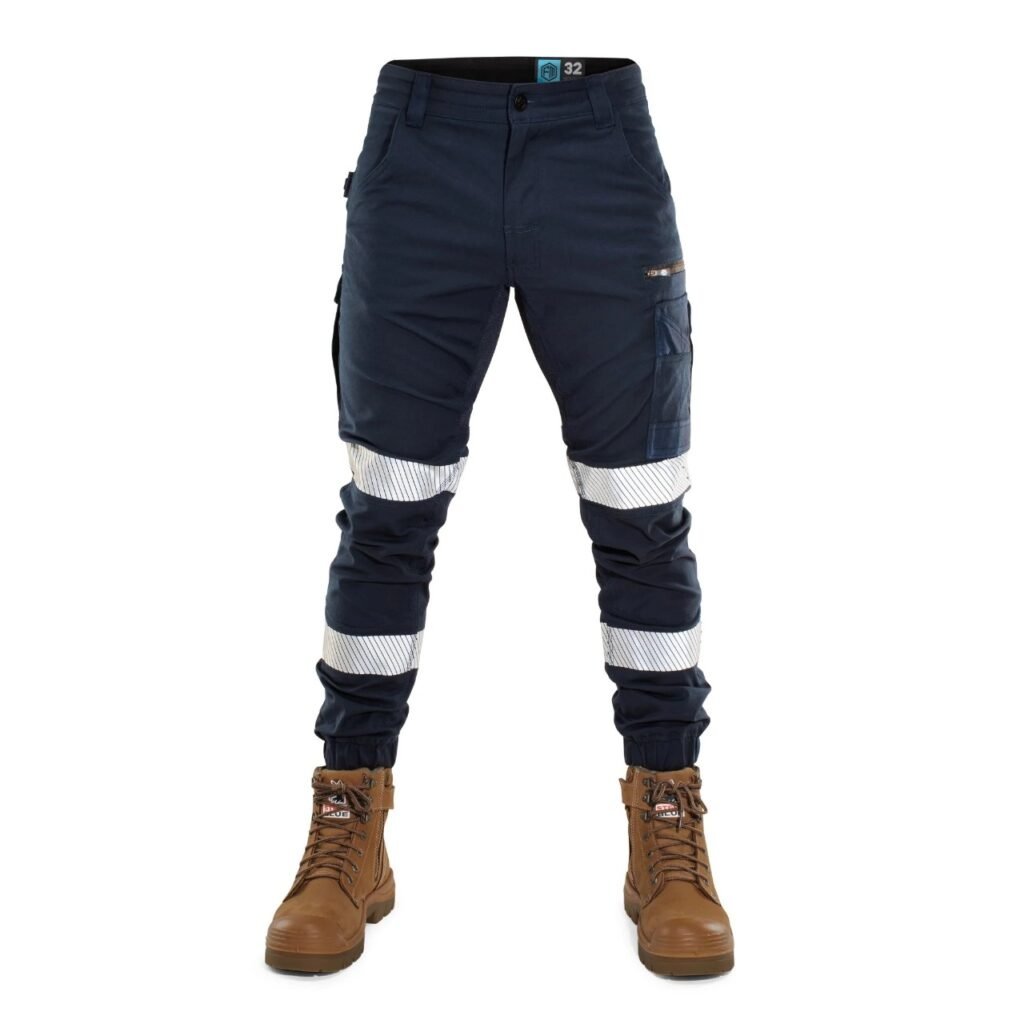
When you step onto a construction site in Darwin’s scorching heat or navigate a mining operation in Western Australia’s dusty terrain, your work pants aren’t just clothing—they’re your first line of defense. For Australia’s 1.3 million tradespeople, choosing the right work pants can mean the difference between comfort and injury, productivity and downtime.
Work pants have evolved far beyond basic protective gear. Today’s designs combine cutting-edge materials with Australian safety standards to create garments that protect, perform, and endure the unique challenges of working in one of the world’s most demanding environments.
The Australian Trades Landscape: Where Function Meets Safety
Australia’s construction industry alone employs over 1.2 million people, contributing $360 billion annually to the economy. These workers face extreme conditions daily—from temperatures exceeding 40°C in summer to hazardous materials and sharp tools. The Australian Bureau of Statistics reports that workplace injuries cost the economy approximately $61.8 billion each year, with many incidents involving inadequate protective clothing.
Work pants serve as critical safety equipment, not fashion statements. They must comply with stringent Australian/New Zealand Standards (AS/NZS), particularly AS/NZS 4602 for high-visibility clothing and AS/NZS 1906.4 for protective clothing against heat and flame.
Key Features That Define Quality Work Pants
Durability That Withstands Australian Conditions
Premium work pants use ripstop fabric technology, originally developed for parachutes. This weaving technique prevents small tears from expanding into larger rips. Leading manufacturers incorporate 65% polyester and 35% cotton blends, providing tensile strength up to 340 pounds per square inch—essential when kneeling on concrete or crawling through tight spaces.
Australian work conditions demand pants that resist abrasion. Quality work pants feature reinforced stress points at knees, seat, and thigh areas. Some models include Cordura nylon patches that are five times more durable than standard cotton.
Temperature Regulation Technology
Australia’s climate extremes require sophisticated fabric solutions. Modern work pants incorporate moisture-wicking polyester fibers that move sweat away from skin 40% faster than cotton. Mesh venting panels in strategic locations increase airflow by up to 25%, crucial when working in temperatures that can reach 50°C in direct sunlight.
For cooler conditions, thermal-lined options provide insulation while maintaining breathability. These designs prevent overheating during physical labor—a common problem that affects 30% of outdoor workers according to Safe Work Australia.
Multi-Pocket Functionality
Australian tradespeople carry an average of 12 different tools daily. Quality work pants feature up to 14 strategically placed pockets, including:
- Reinforced hammer loops rated for 2kg tools
- Phone pockets with secure closures
- Dual knee pad pockets for removable protection
- Cargo pockets with volume capacity up to 500ml
Smart pocket placement reduces back strain by distributing weight evenly. Ergonomic studies show proper pocket positioning can reduce workplace fatigue by 15%.
Safety Standards and Compliance
High-Visibility Requirements
WorkSafe Australia mandates high-visibility clothing for 70% of construction and infrastructure jobs. Compliant work pants feature:
- 0.20 square meters of fluorescent background material
- 0.13 square meters of retroreflective tape
- Color combinations meeting AS/NZS 4602 standards
These specifications ensure visibility at distances up to 500 meters during daylight and 150 meters in low-light conditions.
Flame Resistant Properties
In industries like welding, electrical work, and petroleum, flame-resistant work pants are mandatory. Australian standards require garments to self-extinguish within two seconds of flame removal. Quality FR pants use inherently flame-resistant fibers like Nomex or treated cotton that won’t melt against skin—a critical safety feature that prevents severe burns.
Cut and Puncture Protection
Chainsaw operators and metal workers need specialized protection. Cut-resistant work pants incorporate Kevlar or ultra-high-molecular-weight polyethylene fibers rated to Level 5 protection under AS/NZS 2161. These materials can withstand chainsaw chain speeds up to 20 meters per second.
Material Innovation for Australian Conditions
UV Protection
Australia has the world’s highest skin cancer rates, with two in three Australians diagnosed by age 70. Work pants with UPF (Ultraviolet Protection Factor) ratings of 50+ block 98% of harmful UV radiation. This protection is woven into the fabric, not applied as a coating that can wash out over time.
Water and Stain Resistance
Liquid-resistant treatments help work pants repel oil, grease, and water-based stains. Advanced nanotechnology coatings create an invisible barrier that allows air permeability while blocking liquids. This technology extends garment life by 40% and reduces cleaning frequency.
Antimicrobial Properties
Extended wear in hot, humid conditions can create bacterial growth. Modern work pants incorporate silver ion technology that inhibits bacterial growth by 99.9%. This feature is particularly valuable for remote workers or extended shifts where changing clothes isn’t practical.
Economic Impact of Quality Work Pants
Investing in quality work pants provides measurable returns. Premium garments cost $80-200 but last 2-3 times longer than budget alternatives. More importantly, proper protective clothing reduces injury rates significantly.
Data from Safe Work Australia shows that companies investing in quality protective equipment experience:
- 45% fewer workplace injuries
- 32% reduction in insurance premiums
- 28% less downtime due to clothing failures
- 15% improvement in worker productivity
The Australian construction industry spends approximately $2.3 billion annually on protective equipment, with work pants representing 18% of this market.
Industry-Specific Requirements
Construction Workers
Construction sites demand pants with reinforced knees for kneeling work, multiple tool pockets, and high-visibility elements. Breathable fabrics are essential given that construction workers lose up to 2.5 liters of fluid per hour in extreme heat.
Electricians
Electrical workers need arc-rated clothing that meets NFPA 70E standards. Arc-rated work pants protect against electrical flash burns that can reach temperatures of 19,426°C in milliseconds. These specialized garments can cost $300-500 but are mandatory for electrical work exceeding certain voltage thresholds.
Welders
Welding generates sparks reaching 1,800°C and intense UV radiation. Welding work pants use leather or flame-resistant cotton with minimal synthetic content. Synthetic fibers can melt and cause severe burns, making material selection critical.
Mining Workers
Mining operations require pants resistant to chemicals, abrasion, and extreme temperatures. Underground miners need moisture-wicking properties due to high humidity levels (often 90%+) and temperatures reaching 35°C. Surface mining workers need UV protection and dust-resistant treatments.
Sizing and Fit Considerations
Proper fit is crucial for both safety and comfort. Ill-fitting work pants cause 23% of clothing-related workplace incidents. Australian manufacturers now offer:
- Extended size ranges from XS to 6XL
- Regular, tall, and short inseam options
- Adjustable waistbands for weight fluctuation
- Gusseted crotches for increased mobility
Modern work pants incorporate stretch panels that allow 25% more range of motion compared to traditional designs. This flexibility reduces muscle fatigue and improves job performance.
Care and Maintenance
Proper care extends work pants’ lifespan significantly. Manufacturers recommend:
- Washing in cold water to prevent shrinkage
- Using industrial-grade detergents for heavy soiling
- Avoiding fabric softeners that can reduce flame resistance
- Air drying when possible to maintain fabric integrity
Quality work pants should withstand 100+ wash cycles while maintaining protective properties. Garments losing structural integrity or safety features should be replaced immediately.
Future Trends in Work Pant Technology
Smart Textiles
Emerging technologies include:
- Temperature-regulating phase-change materials
- Integrated sensors monitoring body temperature and hydration
- Self-cleaning fabrics using photocatalytic titanium dioxide
- Shape-memory alloys for improved fit and comfort
Sustainable Materials
Environmental consciousness drives innovation in recycled polyester from plastic bottles and organic cotton alternatives. Some manufacturers now offer work pants made from 100% recycled materials without compromising durability or safety.
Customization Options
3D body scanning technology enables custom-fitted work pants, reducing the 40% of workers who report fit issues with standard sizing. Custom options include personalized pocket configurations and company branding.
Making the Right Choice
Selecting appropriate work pants requires considering:
- Specific workplace hazards and safety requirements
- Climate conditions and seasonal variations
- Job-specific tool and equipment needs
- Company safety policies and compliance requirements
- Budget constraints and cost-per-wear calculations
Quality work pants represent a crucial investment in worker safety, comfort, and productivity. With Australia’s demanding work environments and strict safety standards, choosing the right protective clothing isn’t optional—it’s essential for every tradesperson’s success and wellbeing.
The evolution of work pants from basic protective gear to sophisticated safety equipment reflects the Australian trades industry’s commitment to worker welfare and operational excellence. As technology advances and safety standards evolve, work pants will continue adapting to meet the unique challenges of working in one of the world’s most demanding environments.